karmafu
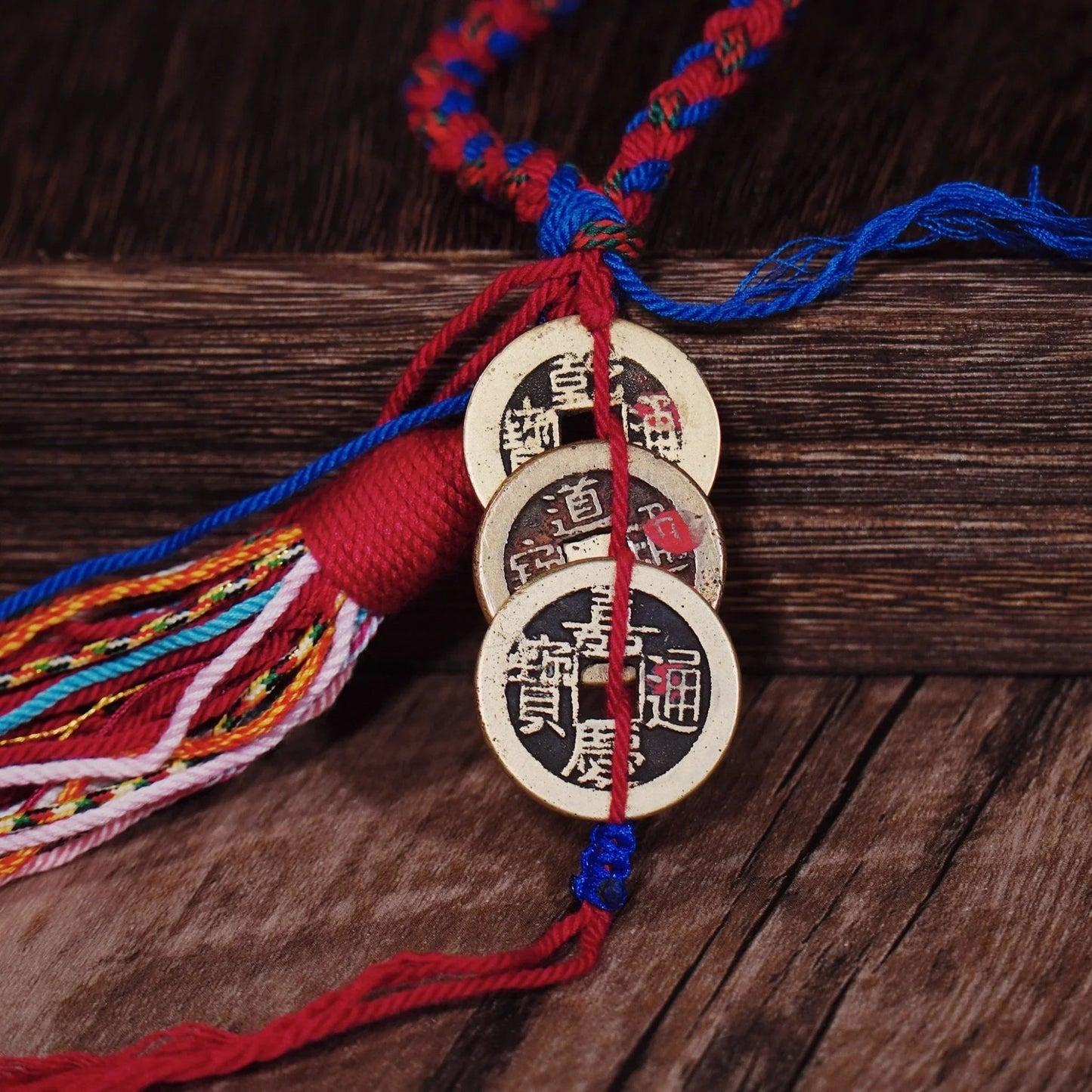
Qian Dao Jia Treasure Coin Set - Inspired by Qing Dynasty Taoist Cultural Traditions
Qian Dao Jia Treasure Coin Set - Inspired by Qing Dynasty Taoist Cultural Traditions
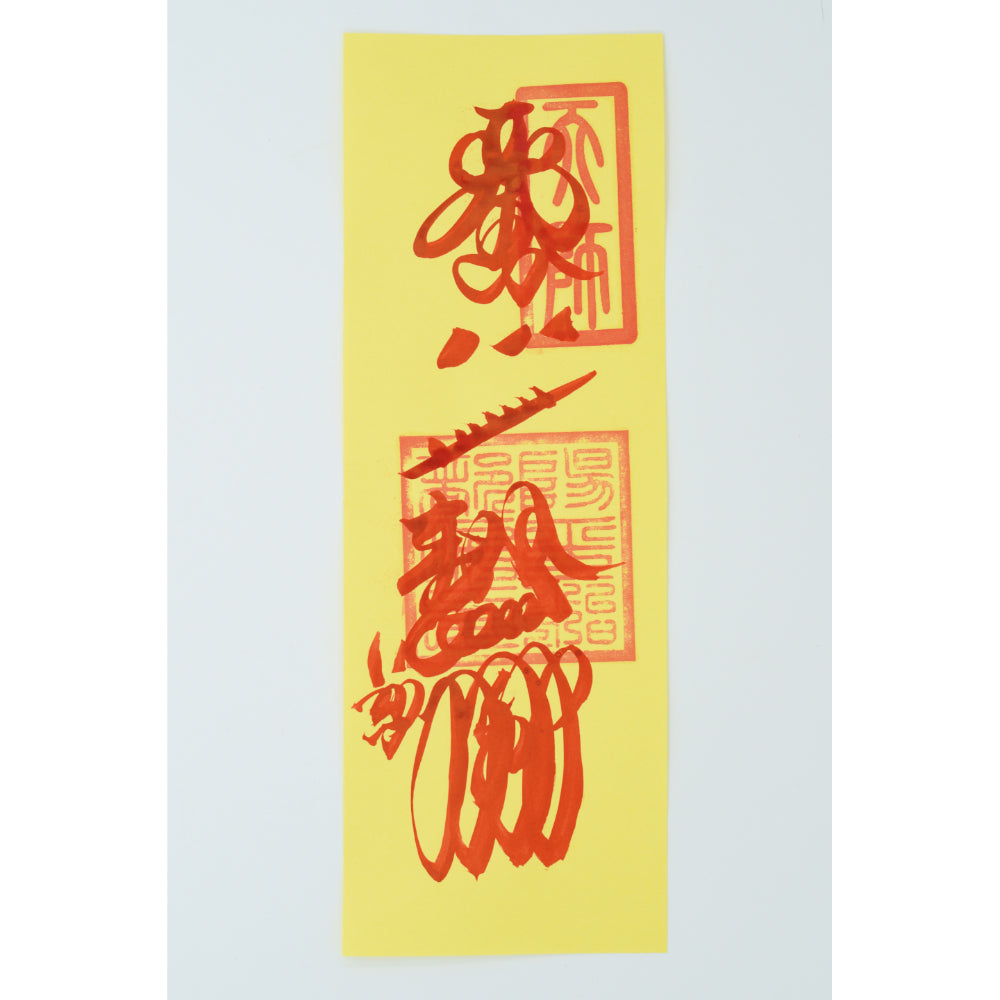
🎁 Includes a Hand-written Taoist Fu (Free)
🎁 Includes a Hand-written Taoist Fu (Free)
- Many buyers don’t expect results — they keep it as a reminder of restraint, balance, and intention.
- Some place it near their workspace. Others keep it quietly at home.
- It’s not about belief. It’s about having a symbol that keeps priorities visible.
- Free Shipping
- 30-Day Money-Back
- Handmade Fu Limit
Couldn't load pickup availability

About Karmafu
About Karmafu
Karmafu was founded by a Beijing-based couple deeply influenced by China’s imperial history and Taoist cultural traditions.
Rather than treating Eastern spirituality as spectacle, we focus on cultural continuity — preserving how symbolic objects were historically understood and used in everyday life.
For over a decade, we have worked with traditional craftsmen and Taoist cultural institutions in China to source and create items inspired by historical practices. These objects were never meant to promise miracles. Instead, they served as anchors of intention, discipline, and reflection within households.
As Karmafu grew, we realized many people outside China were drawn not to ritual itself, but to the philosophy behind it — balance, respect for nature, and responsibility toward one’s actions and resources.
Today, Karmafu offers cultural objects that allow modern individuals to connect with these ideas in a personal, grounded way — without requiring belief, obligation, or conversion.
We do not sell religion, and we do not promise miracles.
Qing Dynasty Cultural Wealth Symbol Inspired by Traditional Practices
The Qian Dao Jia Treasure Coin Set is a cultural object inspired by coin designs from the Qing Dynasty, one of the most documented and structurally complex periods in Chinese monetary history.
The phrase Qian Dao Jia (乾道嘉) is a well-known phonetic expression in traditional Chinese culture, often understood as “wealth arriving at one’s home.” Historically, however, this phrasing carried a broader meaning — not sudden gain, but the idea of resources being managed, preserved, and circulated responsibly within a household.
Rather than promising results, this coin set reflects how symbolic objects were historically used in daily Chinese life: as physical reminders of intention, discipline, and long-term thinking around material stability.
Why Objects Like This Were Part of Everyday Life
In traditional Chinese households, symbolic objects like coins were not used to promise outcomes, but to reinforce awareness, restraint, and responsibility toward material life.
What This Coin Set Is
This coin set is a hand-assembled cultural object inspired by historical Qing Dynasty currency. In traditional contexts, similar objects were associated with ideas such as balance, continuity, and mindful engagement with material resources.
They were commonly kept in private spaces — not displayed as decoration alone, but as quiet reminders of personal responsibility, restraint, and long-term planning.
What This Coin Set Is Not
This coin set is not a guaranteed financial solution.
It is not a religious requirement, ritual obligation, or belief system.
It does not replace practical effort, work, or financial decision-making.
Historically, symbolic objects like this were never meant to override reality — they existed alongside daily discipline, not in place of it.
How People Relate to Objects Like This Today
Today, objects like this coin set are often approached in a personal and flexible way, without required belief, ritual, or prescribed meaning.
Some people choose to display it in a home office, study, or workspace, where it serves as a quiet visual anchor during planning or reflection. Others keep it in a drawer, bag, or personal space as a symbolic object associated with intention-setting rather than display.
There is no prescribed ritual, no required belief, and no “correct” way to use it. Modern users often engage with it as:
• A cultural object connected to Chinese history
• A symbolic reminder during moments of financial planning or goal review
• A thoughtful gift for those interested in Eastern philosophy or material culture
Interpretation remains entirely personal and optional.
Materials & Craftsmanship
The physical characteristics of this set follow historical references rather than decorative trends.
• Material: Copper-based alloy inspired by traditional Qing Dynasty compositions
• Coin Diameter: Approximately 23–25 mm, consistent with historical references
• Cord: Five-strand red braided cord, sealed for durability
• Weight: Approximately 23 g per set
• Finish: Aged surface treatment to reflect historical character
Assembly emphasizes balance and restraint, prioritizing durability and proportion over decorative excess.
What the Three Coins Represent in Chinese Cultural Memory?
This coin set is modeled after three Qing Dynasty reigns that are often remembered in Chinese history for governance, continuity, and economic transition — not sudden wealth. Their role was more internal — to reinforce awareness of what already existed and how it was managed.
Coins carried layered meaning. The round outer form symbolized continuity and wholeness, while the square inner opening represented structure, order, and human responsibility within a larger system.
A grouping of three coins was often associated with continuity across time — past, present, and future — emphasizing stability and long-term perspective rather than immediate accumulation.
This worldview aligns closely with Taoist philosophy, which values moderation, balance, and sensitivity to natural limits.
The Meaning Behind these Three Coins
Rather than representing accumulation alone, the three coins together symbolized how prosperity was historically understood as balance across time.
Qianlong (1735–1796)
A period often associated with territorial expansion, economic confidence, and administrative consolidation.
Jiaqing (1796–1820)
Marked by reform and internal adjustment following periods of excess, emphasizing correction and preservation.
Daoguang (1820–1850)
Issued during economic strain and global transition, traditionally interpreted as a reminder of restraint, endurance, and adaptability.
Together, these three coins reflect a complete cycle: accumulation, consolidation, and protection.
How Symbolic Balance Was Traditionally Interpreted
From a traditional Five Elements (Wu Xing) framework, the coin set is often symbolically associated with:
• Metal — structure, clarity, and boundaries
• Earth — stability, storage, and continuity
• Fire — intention, momentum, and human agency
Rather than suggesting dominance of any single element, this framework emphasizes balance and mutual regulation.
A Modern, Grounded Perspective
In modern terms, the Qian Dao Jia Treasure Coin Set is best understood as a cultural artifact inspired by historical practice, not a promise of outcome.
It offers a tangible connection to traditional ideas of balance, restraint, and intentional living — without requiring belief or guaranteeing results.
If it does not resonate with you, we offer a 30-day money-back guarantee.
This product does not guarantee financial results.It is a cultural object meant to support reflection, intention, and personalmindset.If it doesn’t feel right for you, we offer a30-day money-back guarantee.
View full details